

Relieve Your Pain, Save Your Tooth
A root canal clears infection or inflammation from inside a tooth, so the pain can settle and the tooth can stay. Many people expect the worst. For most patients, the treatment feels much like getting a filling.

Keep Your Natural Tooth
Dr. Manor's approach is conservative: protect what you have whenever it can be saved. Keeping your own tooth holds your bite steady and keeps neighbouring teeth from drifting into a gap. Its natural root stays anchored in your jaw, so you can chew with confidence. Saving a tooth is often simpler than removing it and replacing it later with an implant or bridge.
Comfort Built Into Every Step
Our whole team treats comfort as part of your clinical care. Topical numbing gel goes on before any freezing, so the injection itself feels gentler, and regular check-ins mean you can pause at any point. If something hurts, we stop. Laughing gas is available if you'd like extra calm, and pillows, blankets, ceiling-mounted TVs, and music help the time pass.
Honest Answers Before You Decide
You'll understand your tooth and your options before any treatment begins. Your dentist shows you your X-rays and explains what's happening inside the tooth in plain language. Every option is on the table, including removal, so you can choose what fits your health and your life. Costs are reviewed with you before anything is scheduled.
What's Happening Inside the Tooth
At the centre of every tooth is soft tissue called the pulp, made up of nerves and blood vessels. When deep decay, a crack, or an injury lets bacteria reach the pulp:
- The pulp becomes inflamed or infected, which often causes lingering pain or sensitivity.
- Infection can travel to the tip of the root and form an abscess, a pocket of pus that can cause swelling.
- The bone around the root can be affected over time, since an infected pulp cannot heal itself.
Treating the tooth early gives it the best chance of being saved.
Signs You May Need a Root Canal
Some infected teeth cause clear symptoms, while others show up on an X-ray during a routine visit. Common signs include:
- Sensitivity to hot or cold that lingers. Pain that stays after the food or drink is gone can point to an inflamed pulp.
- A throbbing toothache. Pain that comes on by itself or wakes you at night is worth checking promptly.
- Pain when you bite or chew. Tenderness under pressure can mean infection has reached the tissue around the root.
- A tooth that has darkened. A grey or darker shade can be a sign that the pulp inside is damaged.
- A swollen spot or small bump on the gum. This can be an abscess draining, and it may leave a bad taste.
If any of these sound familiar, call us. A quick assessment will tell you where things stand.
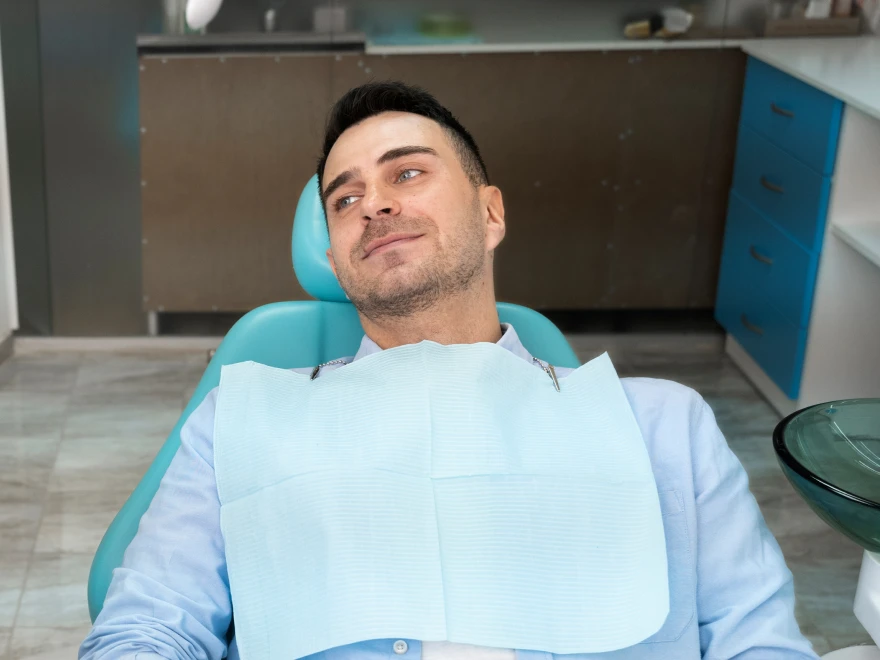
We've got you covered
We work with all providers and follow Ontario's fee guide at both locations, so there are never any surprise costs. Give us a call or book online and we'll happily sort out the details with you.
Your Root Canal Visit
Assessment and X-Rays
Your dentist examines the tooth and takes X-rays to see the roots and the bone around them. You'll hear what's going on, what the options are, and what treatment costs before you decide.
Numbing and Comfort
We apply topical gel first, then local freezing to numb the tooth fully. Laughing gas is available if you'd like it. Settle in with a pillow, a blanket, and something to watch overhead.
Cleaning and Sealing the Tooth
Your dentist makes a small opening in the top of the tooth, removes the infected or inflamed pulp, and cleans and shapes the canals inside. The canals are then filled and sealed. Depending on the tooth, this may take one visit or more, with a temporary filling protecting it in between.
A Protective Crown
A tooth that has had a root canal can become more brittle over time, especially a back tooth that handles heavy chewing. Your dentist will let you know if a crown is recommended. We provide crowns in-house, so you can finish your care with the same team.
Frequently Asked Questions
Does a root canal hurt?
How do I know if I need a root canal?
Can I have the tooth pulled?
Will I need a crown after my root canal?
How long will a tooth last after a root canal?
How will my tooth feel afterward?
Can antibiotics clear up a tooth infection on their own?
Can I have laughing gas during a root canal?
When can I eat after a root canal?
Is root canal therapy covered by insurance?
We would love to meet you
Whether you're looking for a new dental home, coming back after a while away, or just finally ready to book that appointment, we're here, and we'd love to welcome you. New patients are always welcome at both locations. Book online or give us a call, we'll take great care of you.