
Clear Answers About Your Wisdom Teeth
Knowing where your wisdom teeth stand helps you protect the teeth beside them and plan any removal at a time that works for you. Some wisdom teeth grow in healthy and can stay. When removal makes sense, your care happens right here at our Headon Road office, with comfort options matched to you.
Every Comfort Option Under One Roof
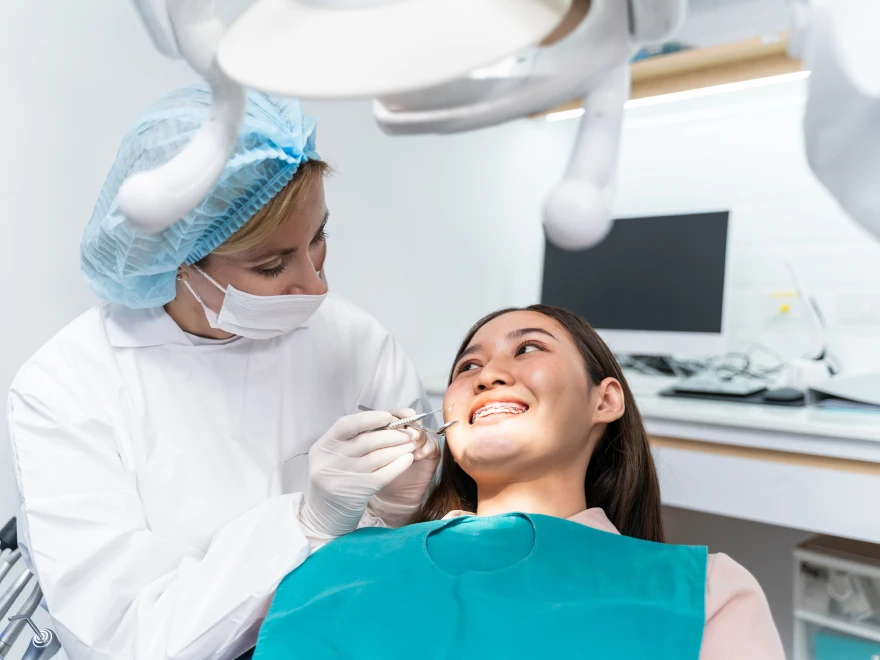
Headon offers the full range of comfort support for wisdom tooth removal. Laughing gas helps you feel calm and wears off quickly, so most patients drive themselves home. Moderate IV sedation keeps you deeply relaxed through the procedure, and a trusted adult drives you home and stays with you afterward. Topical numbing gel goes on before any freezing, and your dentist confirms the area is numb before beginning.
Surgical Teaching Experience
Your care comes from a team that keeps learning, and in one case, teaching. Our team includes Dr. Samson So, a General Dentist and Surgical Associate in Western University's Oral & Maxillofacial Surgery Division. Dr. Manor and the team attend continuing education courses so your care reflects current techniques. If your X-rays show a case that calls for a specialist, your dentist will explain why and help you arrange the next step.
Honest Advice on Timing
Your dentist recommends removal only when your wisdom teeth are causing trouble or are likely to. Regular X-rays let us follow how wisdom teeth develop, especially through the teen years. Healthy, well-positioned wisdom teeth that you can keep clean may simply be monitored at your checkups. When removal is the right call, you'll hear why in plain language before anything is scheduled.
When Wisdom Teeth Run Out of Room
Wisdom teeth are the last molars to come in, usually in the late teens or early twenties. Many jaws have little space left for them, and a tooth that gets stuck or grows in at an angle can:
- Trap food and bacteria under a flap of gum, which can lead to a painful gum infection called pericoronitis.
- Press against the molar in front of it, creating a hard-to-clean spot where decay can start in both teeth.
- Stay partly erupted, meaning only part of the tooth breaks through the gum, which leaves it open to repeated infection.
- Form a cyst in rare cases, a fluid-filled sac that can affect the surrounding bone and nearby roots.
Addressing a problem wisdom tooth early often makes for a more straightforward procedure and recovery.
Signs to Get Them Checked
Some wisdom teeth cause no symptoms at all, which is why X-rays at your regular visits matter. Others make themselves known. Watch for:
- Pain or pressure at the back of your jaw. This can mean a wisdom tooth is pushing against bone or another tooth.
- Swollen, tender, or bleeding gums behind your last molar. These are common signs of infection under a gum flap.
- A bad taste or bad breath that keeps returning. Food trapped around a partly erupted tooth is a frequent cause.
- Jaw stiffness or trouble opening wide. Swelling around a wisdom tooth can make your jaw feel tight.
- Food catching at the very back of your mouth. A tooth that only partly broke through is hard to clean and prone to cavities.

We've got you covered
We work with all providers and follow Ontario's fee guide at both locations, so there are never any surprise costs. Give us a call or book online and we'll happily sort out the details with you.
Your Removal, Step by Step
Assessment and X-Rays
Your dentist examines your mouth and takes X-rays to see each wisdom tooth's position, its roots, and the nearby nerves. You'll learn which teeth, if any, should come out and why. Costs are discussed before anything is booked.
Choose Your Comfort Level
Together, you'll decide between local freezing alone, laughing gas, or moderate IV sedation. If you choose IV sedation, your team will give you pre-appointment instructions and ask you to arrange a trusted adult to drive you home.
Removal
Once you're relaxed, topical gel and local freezing numb the area. Your dentist gently removes the tooth, which sometimes means dividing it into smaller pieces so it comes out more easily. Stitches may be placed to help your gums heal.
Healing at Home
You'll leave with aftercare instructions covering pain relief, soft foods, and keeping the area clean. Some swelling and soreness in the first few days is normal. Call us with any questions while you heal.
Frequently Asked Questions
Do all wisdom teeth need to come out?
What is the best age to have wisdom teeth removed?
Will I feel pain during the extraction?
How do laughing gas and IV sedation compare for wisdom tooth removal?
Can I drive home after my appointment?
How long does recovery take?
What can I eat after wisdom tooth removal?
What is dry socket, and how do I prevent it?
Can all four wisdom teeth come out in one visit?
Is wisdom tooth removal covered by insurance?
We would love to meet you
Whether you're looking for a new dental home, coming back after a while away, or just finally ready to book that appointment, we're here, and we'd love to welcome you. New patients are always welcome at both locations. Book online or give us a call, we'll take great care of you.