

Healthy Gums Mean a Healthy Smile
Your gums and the bone beneath them are the foundation for every tooth. Non-surgical gum therapy removes the bacteria and buildup that cause gum disease, giving your gums the chance to heal. For many patients, it's all the treatment they need.
Three Ways We Treat Gum Disease
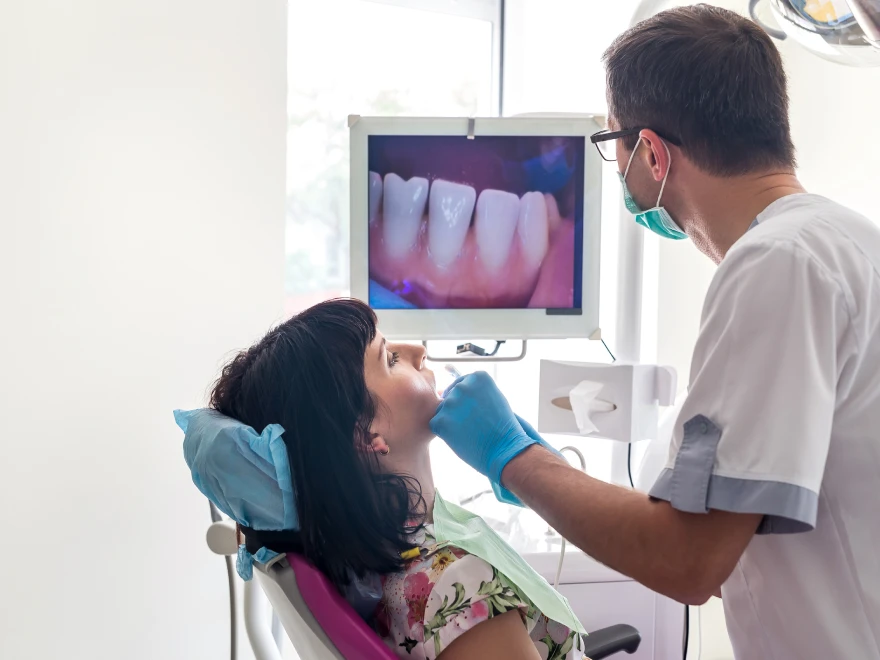
Your dentist chooses the right mix of treatments based on how deep your gum pockets are. Scaling and root planing (a deep cleaning) cleans below the gumline and smooths the roots so your gums can reattach and tighten. Medication placed in deeper pockets fights bacteria where they settle, and pain-free laser therapy helps clear infected tissue for a comfortable recovery.
A Calm, Unhurried Appointment
Your comfort guides every part of treatment. Topical numbing gel always goes on before any freezing, and regular check-ins let you pause whenever you need to. Music, blankets, and ceiling-mounted TVs give you something pleasant to focus on while we work. If you'd like laughing gas, we can arrange your treatment at our sister office in Headon.
Good for Your Teeth and Budget
Catching gum disease early keeps treatment simpler and protects the bone around your teeth. Healthy bone means a lower risk of losing teeth, and fewer lost teeth means fewer replacements to plan and pay for later. Ongoing maintenance visits after therapy help you keep the progress you've made.
How Gum Disease Progresses
Gum disease is the most common reason adults lose teeth, and it's largely preventable. Knowing the stages helps you understand why early care matters:
- Stage one, gingivitis: Plaque along the gumline causes redness, puffiness, and bleeding. With a professional cleaning and better home care, your gums can return to full health.
- Stage two, early periodontitis: Bacteria move below the gumline. Gums begin separating from the teeth, creating small pockets that trap tartar.
- Stage three, moderate periodontitis: Pockets get deeper, and the bone that supports your teeth starts to wear away. You may notice sensitivity or shifting.
- Stage four, advanced periodontitis: Bone loss loosens teeth, and some may need to be removed.
Gum disease has also been linked in research to other health conditions, such as diabetes and heart disease. Healthy gums support your overall health too.
Could You Have Gum Disease?
Many people don't realize their gums need care until a dental visit shows it. These signs are worth bringing up with your dentist:
- Pink in the sink after brushing: Bleeding gums are often the very first sign of inflammation.
- Puffy or sore gums: Swelling and tenderness mean your gums are fighting bacteria.
- Breath that brushing doesn't fix: Ongoing bad breath can come from bacteria deep in gum pockets.
- Gums that seem to be shrinking: Receding gums expose more of the tooth and can cause sensitivity.
- Teeth that feel loose or are spreading apart: This can mean the bone supporting them is breaking down.
- Pus or a bad taste near a tooth: These point to an active infection that needs care soon.
If it's been a while since your last cleaning, you'll be welcomed back warmly. We'll measure your gums and give you a clear picture of where they stand.

Life After Gum Therapy
Gum disease is a condition you manage over time, and steady follow-up protects your results.
- Cleanings on a closer schedule: Many patients visit every three to four months. Your hygienist will set the timing based on how your gums heal.
- Regular pocket checks: Measuring your gums at each visit shows whether they're staying healthy.
- Personal home care tips: You'll learn which tools work best for the spots that need extra care.
- Early action if anything changes: If a pocket deepens, we treat it right away.
Advanced cases may need care from a gum specialist. If so, we'll handle the referral and stay involved in your care.
We've got you covered
We work with all providers and follow Ontario's fee guide at both locations, so there are never any surprise costs. Give us a call or book online and we'll happily sort out the details with you.
Your Gum Therapy Visits at LIV
A Full Gum Assessment
Your hygienist measures the pocket depth around each tooth with a small, gentle instrument. X-rays show bone levels, and your digital scans let us compare gum changes from visit to visit.
A Clear Explanation
Your dentist walks you through your results in plain language, explains the recommended treatment, and reviews costs with you. Nothing is scheduled until you're comfortable with the plan.
Scaling and Root Planing
We remove tartar and bacteria from your tooth roots and smooth the surfaces so your gums can reattach. Topical gel comes first, then freezing as needed. Depending on your case, we may treat one area of the mouth at a time.
Medication and Laser Care
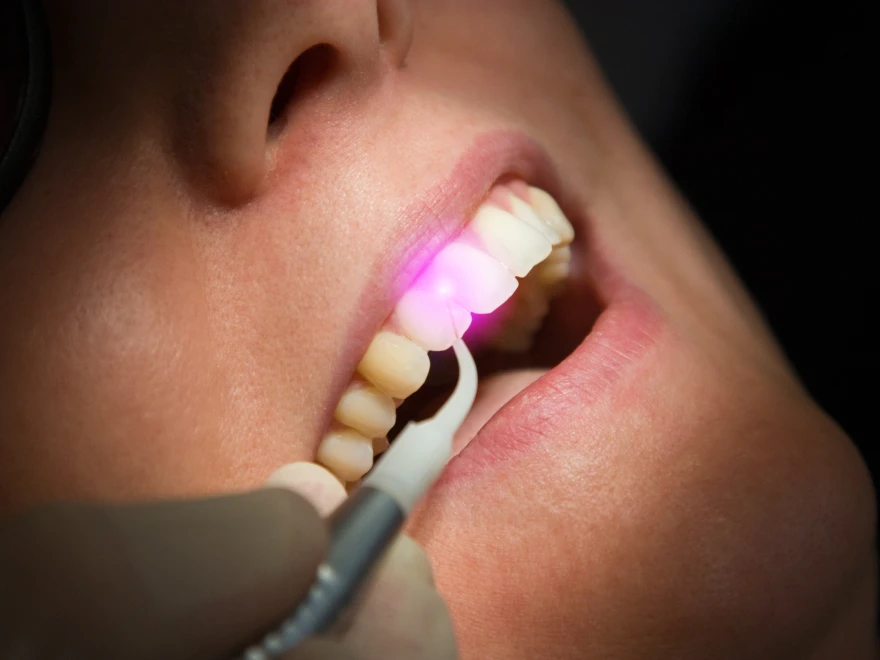
For deeper pockets, your dentist may place medication right into the pocket or use pain-free laser therapy to help the area heal. Your plan will include only what your gums need.
Healing Check and Maintenance
Once your gums have healed, we measure your pockets again to see the improvement. Then we build a maintenance schedule to keep your gums healthy.
Frequently Asked Questions
What is non-surgical gum therapy?
Is a deep cleaning painful?
What's the difference between gingivitis and periodontitis?
Why do my gums bleed when I floss?
How many appointments will gum therapy take?
How does laser therapy help?
How will my mouth feel after treatment?
Will I need gum therapy again?
How can I prevent gum disease from coming back?
Does insurance cover non-surgical gum therapy?
We would love to meet you
Whether you're looking for a new dental home, coming back after a while away, or just finally ready to book that appointment, we're here, and we'd love to welcome you. New patients are always welcome at both locations. Book online or give us a call, we'll take great care of you.